|
||

• wydawnictwa polskie
• Zamów informacje o nowościach z wybranego tematu • kontakt
• Cookies na stronie |
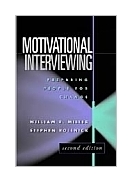
MOTIVATIONAL INTERVIEWING. PREPARING PEOPLE FOR CHANGEMILLER W., ROLLNICK Swydawnictwo: GULFORD , rok wydania 2002, wydanie Icena netto: Since the initial publication of this breakthrough work, motivational interviewing (MI) has been used by countless clinicians. Theory and methods have evolved apace, reflecting new knowledge on the process of behavior change, a growing body of outcome research, and the development of new applications within and beyond the addictions field. Extensively rewritten, this revised and expanded second edition now brings MI practitioners and trainees fully up to date. William R. Miller and Stephen Rollnick explain how to work through ambivalence to facilitate change, present detailed guidelines for using their approach, and reflect on the process of learning MI. Chapters contributed by other leading experts then address such special topics as MI and the stages-of-change model, applications in medical, public health, and criminal justice settings, and using the approach with groups, couples, and adolescents. "A decade ago, I had
the opportunity to review a refreshing and exciting book called Motivational
Interviewing. I predicted it would become a classic in the field, and indeed it did.
Now the authors have provided us with a wonderful, enlightening, second edition that will
continue to be a classic. From the time of the first edition, MI has taken by storm not
only the addictions field, but also the health care field in general. Consequently, much
is new in the book. Miller and Rollnick have done it again - they have delivered a gem of
book that should be read by anyone, whatever their discipline, who provides clinical
services." "Motivational
interviewing has come of age. The first edition became a modern classic in the field; a
decade later, this second edition shows how MI has matured as Miller and Rollnick and
their many collaborators have gained in experience. The ideas are sharpened, the research
base stronger, and the applications broader, now extending well beyond the treatment of
addictions. But the essence remains the same: how to help people become 'ready, willing,
and able' to make changes that improve the quality of their lives." "The work of Miller and
Rollnick is having a major impact on how therapists help to motivate clients in the
prevention and treatment of addictive behaviors. It is refreshing to see the values of
humanistic psychology and the principles of client-centered therapy reflected throughout
this text. With an expanded focus on how people learn motivational interviewing, this new
second edition will help readers gain both the knowledge and skills to prepare people to
change their behavior and health habits. I highly recommend it." Contents I. Context 1. Why Do People Change? II. Practice 4. What Is Motivational
Interviewing? III. Learning Motivational Interviewing 13. Reflections on Learning IV. Applications Of Motivational Interviewing 15. Motivational
Interviewing and the Stages of Change, DiClemente and Velasquez 428 pages Księgarnia nie działa. Nie odpowiadamy na pytania i nie realizujemy zamówien. Do odwolania !. |