|
||

• wydawnictwa polskie
• Zamów informacje o nowościach z wybranego tematu • kontakt
• Cookies na stronie |
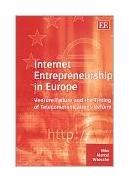
INTERNET ENTERPRENEURSHIP IN EUROPA VENTURE FAILURE THE TIMING OF TELEWAESCHE N.wydawnictwo: EE , rok wydania 2003, wydanie Icena netto: 'This is an excellent book. It contributes significantly to our understanding of the telecommunications/internet boom and bust, and parts are ideal for teaching.' John Zysman, University of California, Berkeley, USA 'This accomplished research monograph breaks new ground by looking at the relationship between internet entrepreneurship and public policy. The first part charts the development of the internet as the basis for a new global network economy, and the contribution to its success of government telecoms policy in the USA, while the second part examines in detail the rise - and underlying vulnerabilities - of internet entrepreneurship in Germany, examining in dose detail the character of the policy relationship between the German federal government, the incumbent national telecommunications operator and the new internet ventures. It also offers a useful comparative European chapter looking at developments in France, the Netherlands and in particular Sweden. Analytically penetrating, detailed and thorough, the book shows how national institutions (such as German corporatism) and government policies for telecommunications and for national innovation have refracted the opportunities presented by global networks, causing internet businesses to develop along unique, national trajectories. Theoretically informed and grounded in careful empirical research, the book makes for compelling reading for anyone interested in public policies for the communications revolution and the new network economy.' Peter Humphreys, University of Manchester, UK 'The commercialization of the internet unleashed a massive wave of entrepreneurial activity around the world. In his excellent book Internet Entrepreneurship in Europe Niko Waesche explains the reasons for the relative lag that Europe, in general, and Germany in particular experienced in establishing firms in internet-related business areas. He presents a sophisticated analysis that recognizes that creating an entrepreneurial environment requires the creation and coordination of a wide spectrum of policies including, but not limited to, telecommunications regulation, taxpolicies, and mechanisms for encouraging venture capital formation. Thisbookis vital reading for all business persons and policymakers wishing to understand the reasons that Europe has had such a mixed record in creating new ventures capable of taking advantage of the internet to build entrepreneurial firms.' Martin Kenney, University of California, Davis, USA Table of Contents Figures Tables Acknowledgements 1. Introduction: Uneven development wid internet entrepreneurship in Europe PART I GLOBAL OPPORTUNITY 2. The global growth of the internet and the role of the United States 3. Unregulation and the death of distance PART II NATIONAL POLITICAL ECONOMY 4. Institutional reform and political compromise 5. Incumbent telecommunications operator strategy and internet access 6. Survey of internet entrepreneurship in Germany 7. Varieties of internet venture development in Europe: The Swedish case 8. Conclusion: The timing of policy reform and internet entrepreneurship in Europe Appendix A: Procedure and results of the globalstartup survey Appendix B: Interviews Appendix C: Selected financial figures for international telecommunications operators Niko Marcel Waesche, Ph.D. is Principal in the Communications Sector of Business Consulting Services at IBM, Germany. From 2000 to 2002 he was a regular columnist for the Financial Times Deutschtand, writing on technology, venture capital and entrepreneurship. 334 pages Księgarnia nie działa. Nie odpowiadamy na pytania i nie realizujemy zamówien. Do odwolania !. |