|
||

• wydawnictwa polskie
• Zamów informacje o nowościach z wybranego tematu • kontakt
• Cookies na stronie |
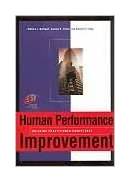
HUMAN PERFORMANCE IMPROVEMENTROTHWELL W., HOHNE C.wydawnictwo: GULF , rok wydania 2000, wydanie Icena netto: Human Performance Improvement Building practitioner competence William J. Rothwell Todays dynamic organizations
must achieve positive results in record time - a challenge that requires managers to avoid
problems before they arise and to solve these issues quickly. Human Performance
Improvement (HPI) is a powerful tool that can be used to help build intellectual capital,
establish and maintain a 'high-performance workplace, enhance profitability, and encourage
productivity as well as increase return on equity and improved safety. This book provides the tools
and techniques that are fundamental to the practice of HPI. 'Human Performance
Improvement' is all you need to understand and carry out your own HPI plan and is
invaluable for trainers, HR practitioners, line managers, workers, college students who
are being introduced to Human Performance Improvement principles, and anyone who is
interested in improving how well and how much people perform in organizational settings.
Laying the foundation - Human performance improvement; Defining human performance improvement; The roles of the HPI practitioner; The dynamic nature of human performance improvement; HPI competencies and outputs; The growing importance of human performance improvement; The role of analyst - A case study; Defining analysis; The analyst's role; Models and tools; Models and tools for the analyst's role; Other analytical tools; Data presentation methods and tools; The role of intervention specialist - Competencies/outputs associated with the intervention specialist; Selecting interventions; Principles of intervention design; Dangers, pitfalls and cautions; The role of change manager - Competencies/outputs associated with the role of change manager; Approaches for managing change; Enacting the role of change manager; The role of evaluator - Competencies/outputs associated with the role of the evaluator; Approaches for evaluating performance improvement interventions; How is the role of the evaluator enacted?; Trends and their implication for HPI - Corporate trends; Workforce trends; Human resource trends; Transforming the training department into an HPI function - One approach to transforming a traditional training department into an HPI department; Alternative paths for transforming a traditional training department into an HPI department; Common mistakes to avoid; Success stories; Assessing your progress; Building your competence as an HPI practitioner - Making the shift in role; Steps for transforming from trainer to HPI practitioner. Readership: HR professionals/managers. Students taking HR degrees/courses. 406 pages Księgarnia nie działa. Nie odpowiadamy na pytania i nie realizujemy zamówien. Do odwolania !. |