|
||

• wydawnictwa polskie
• Zamów informacje o nowościach z wybranego tematu • kontakt
• Cookies na stronie |
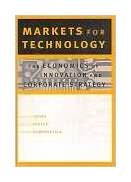
MARKETS FOR TECHNOLOGYARORA A., FOSFURI A., GAMBARDELLA A.wydawnictwo: MIT PRESS , rok wydania 2001, wydanie Icena netto: Markets for Technology The Economics of Innovation and Corporate Strategy The past two decades have
seen a gradual but noticeable change in the economic organization of innovative activity.
Most firms used to integrate research and development with activities such as production,
marketing, and distribution. Today firms are forming joint ventures, research and
development alliances, licensing deals, and a variety of other outsourcing arrangements
with universities, technology-based start-ups, and other established firms. In many
industries, a division of innovative labor is emerging, with a substantial increase in the
licensing of existing and prospective technologies. In short, technology and knowledge are
becoming definable and tradable commodities. Contents Preface and Acknowledgments ix Markets for Technology: Why Do We See Them, Why We Don't See More of Them, and Why We Should Care 1 Markets for Technology: Extent and Development 2 Preliminary Evidence 3 The Division of Innovative Labor in High-Tech Industries II Limitations and Determinants 4 Context Dependence, Sticky Information, and the Limits of the Market for Technology 5 Intellectual Property Rights and the Licensing of Know-How 6 Markets for Technology and the Size of the Market: Adam Smith and the Division of Innovative Labor Revisited III Functioning and Economic Implications 7 Licensing the Market for Technology 8 Global Technology Suppliers and the International Division of Innovative Labor IV Implications for Public Policy and Corporate Strategy 9 Implications for Corporate Strategy 10 The Institutional Context: Problems and Policy 11 Conclusions 339 pages Księgarnia nie działa. Nie odpowiadamy na pytania i nie realizujemy zamówien. Do odwolania !. |