|
||

• wydawnictwa polskie
• Zamów informacje o nowościach z wybranego tematu • kontakt
• Cookies na stronie |
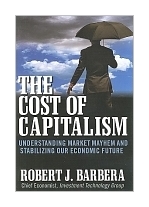
THE COST OF CAPITALISM UNDERSTANDING MARKET MAYHEM AND STABILIZING OURBARBERA R.wydawnictwo: MC GRAW-HILL , rok wydania 2009, wydanie Icena netto: From the panic of 1987 to the tech-bubble burst of 2000, the past two decades have witnessed a series of financial crises, each more disruptive than the last. Unfortunately, they all seem like dress rehearsal for today's debacle. In hindsight, the precipitating factors responsible for each crisis seem clear, yet, in every case, mainstream economists and policy makers were caught off guard. Why didn't they see it coming? What should they have known but didn't? And, most critically, how must they adjust their thinking going forward? In the Cost of Capitalism, Robert Barbera provides compelling answers to all these questions. In the process, he offers the most cogent analysis yet of today's crisis and explains how to manage the ever present potential for mayhem intrinsic to free market economies without stunting innovation and growth. At the core of Barbera's thinking are three assumptions: first, boom and bust cycles have been stoked since 1985 by finance, not inflation; second, Main Street stability paradoxically invites excessive risk taking on Wall Street; and last, these things set the stage for small setbacks to deliver cataclysmic consequences. Barbera applauds current efforts to unabashedly infuse public money into the global economy. It's the only way, he says, to prevent another Great Depression. And, looking beyond the crisis of the moment, Barbera contends that mainstream thinkers need to form a new economic paradigm by embracing the insights of free market champions like Joseph Schumpeter and the cautionary wisdom of Hyman Minsky. Financial market mayhem comes with the territory in a free market system. Nonetheless, innovators and their bankers still offer the world the best chance for a prosperous twenty-first century. Economists, policymakers, and investors must begin to redefine their understanding of free market capitalism. The Cost of Capitalism will set them on that course. Table of contentsIntro
240 pages, Hardcover Księgarnia nie działa. Nie odpowiadamy na pytania i nie realizujemy zamówien. Do odwolania !. |