|
||

• wydawnictwa polskie
• Zamów informacje o nowościach z wybranego tematu • kontakt
• Cookies na stronie |
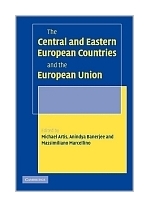
THE CENTRAL AND EASTERN EUROPEAN COUNTRIES AND THE EUROPEAN UNIONARTIS M. BANERJEE A. MARCELLINO M.wydawnictwo: CAMBRIDGE , rok wydania 2010, wydanie Icena netto: The accession of ten new members to the European Union on May 1st 2004 is among the most significant developments in the history of European integration. Based upon studies conducted by the European Forecasting Network, this book analyses key aspects of the impact of this recent enlargement with reference to eight of the ten new Member States, namely the Central and Eastern European countries (CEECs). It demonstrates that the enlargement could have profound consequences on both the new Member States and on the pre-accession members of the Union, given the unparalleled magnitude of the enlargement, the fact that the CEECs have levels of prosperity and economic development well below the Union average, and their history of participation in centrally planned regimes. The contributions examine regional policy, the debate about accession to the EMU, the macroeconomic trajectories of the Central and Eastern European economies to date and their likely future development. Table of Contents Figures; Tables; Contributors; Acknowledgements; Introduction; 424 pages, Paperback Księgarnia nie działa. Nie odpowiadamy na pytania i nie realizujemy zamówien. Do odwolania !. |