|
||

• wydawnictwa polskie
• Zamów informacje o nowościach z wybranego tematu • kontakt
• Cookies na stronie |
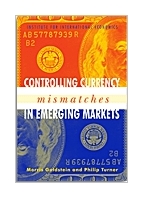
CONTROLLING CURRENCY MISMATCHES IN EMERGING MARKETSGOLDSTEIN M., TUNER P.wydawnictwo: IFIE , rok wydania 2004, wydanie Icena netto: In most of the currency crises of the 1990s, the largest output falls have occurred in those emerging economies with large currency mismatches, a phenomenon that occurs when assets and liabilities are denominated in different currencies such that net worth is sensitive to changes in the exchange rate. Currency mismatching makes crisis management much more difficult since it constrains the willingness of the monetary authority to reduce interest rates in a recession (for fear of initiating a large fall in the currency that would bring with it large-scale insolvencies). The mismatching also produces a "fear of floating" on the part of emerging economies, sometimes inducing them to make currency-regime choices that are not in their own long-term interest. Authors Morris Goldstein and Philip Turner summarize what is known about the origins of currency mismatching in emerging economies, discuss how best to define and measure currency mismatching, and review policy options for reducing the size of the problem. Table of Contents Preface Acknowledgments 1. Introduction 2. Why Currency Mismatches Matter 3. Measuring Currency Mismatch: Beyond Original Sin 4. Aggregate Effective Currency Mismatch 5. Coping with Potential Currency Mismatches 6. Role of National Macroeconomic Policies and Currency Regimes 7. Role of Institutional Factors and Microeconomic Incentives 8. International Solutions to Currency Mismatching? 9. Reducing Currency Mismatching: A Domestic Agenda Appendices References Index 192 pages Księgarnia nie działa. Nie odpowiadamy na pytania i nie realizujemy zamówien. Do odwolania !. |